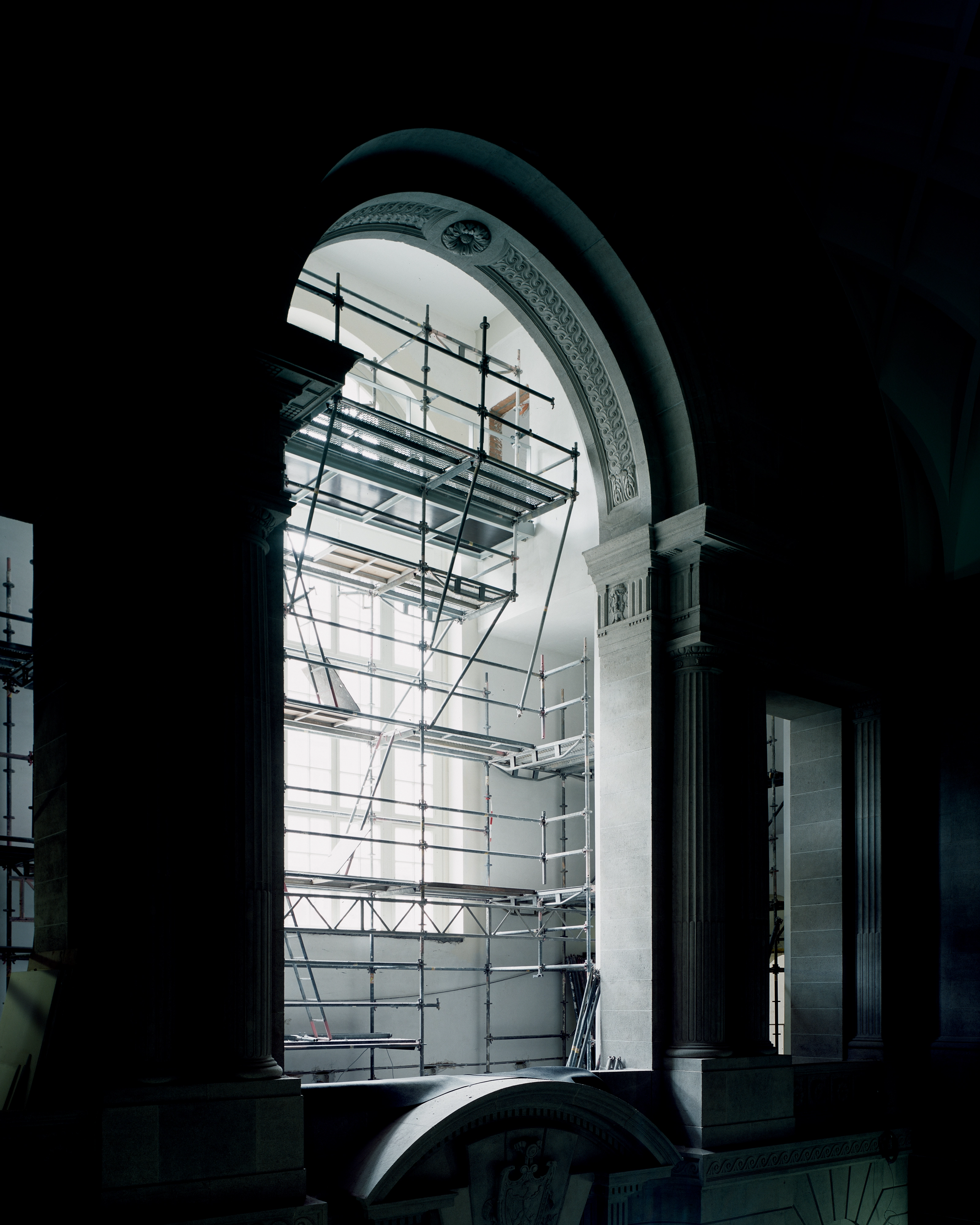
The Berlin State Library – Unter den Linden is one of Germany’s most important research libraries. Located in Berlin’s historic city centre, it is part of the Prussian Cultural Heritage Foundation.
The building combines historic architecture with contemporary requirements for research, collections, and public use. Following extensive renovation and expansion, the library now presents itself as a place of knowledge, scholarship, and cultural memory.
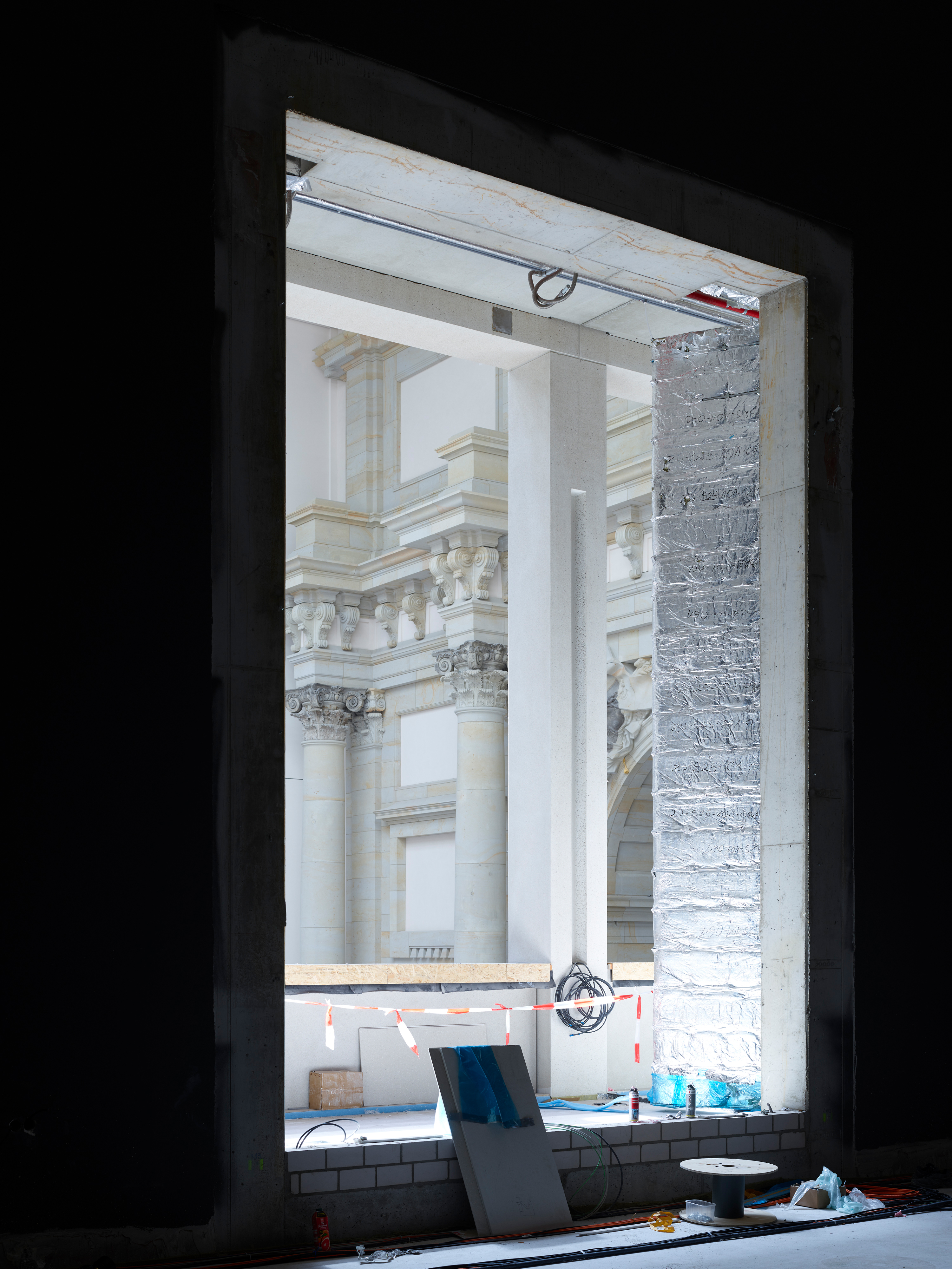
The Humboldt Forum Foundation in the Berlin Palace represents a place of cultural exchange, bringing together history, science, art, and international perspectives. The architecture of the Humboldt Forum combines different historical layers: the reconstructed Baroque façades of the Berlin Palace meet contemporary architectural elements, creating a compelling dialogue between past and present.
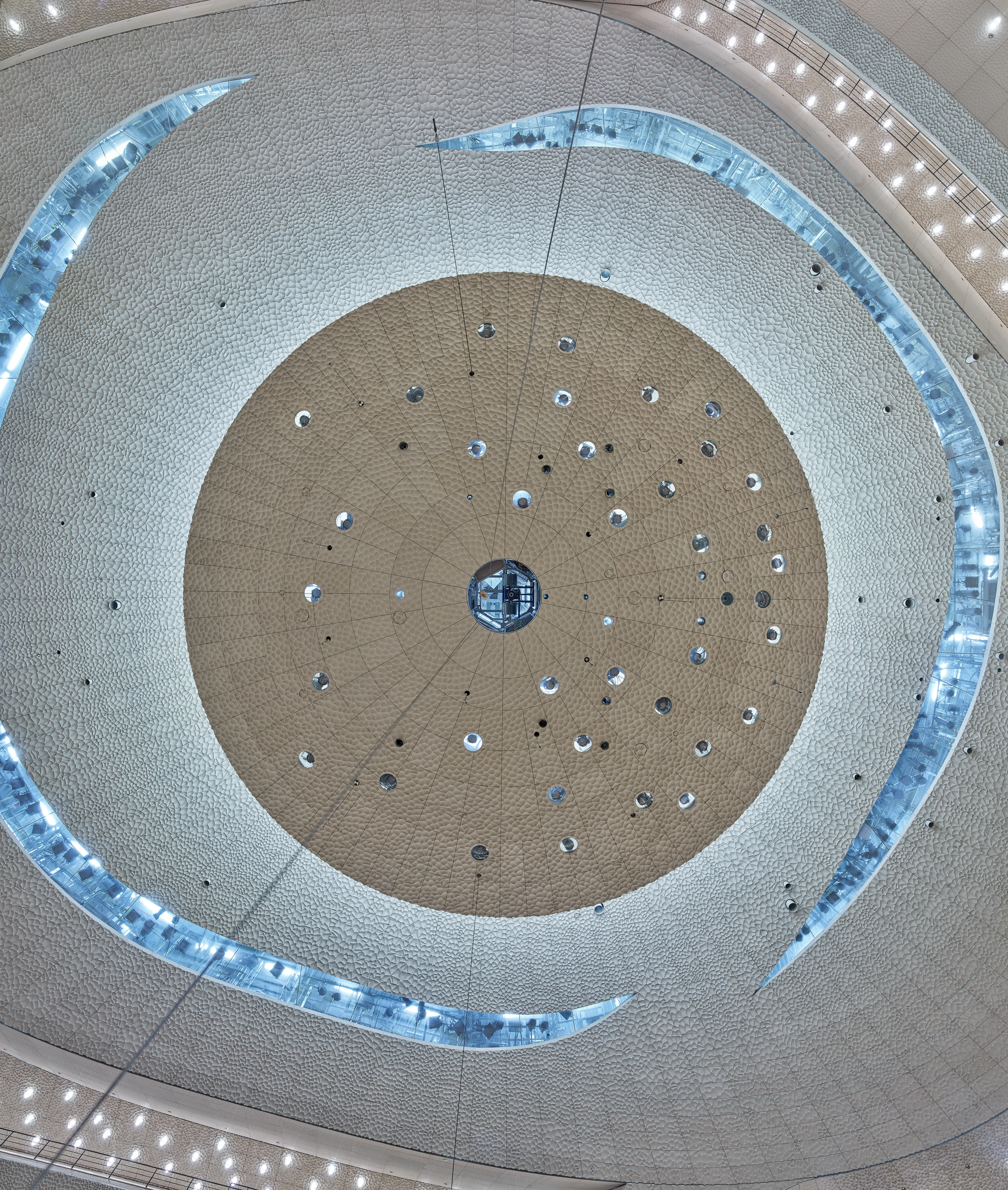
The Elbphilharmonie Hamburg is a 110-metre-high concert hall located in the HafenCity district, built on the listed brick base of the former Kaispeicher A warehouse.
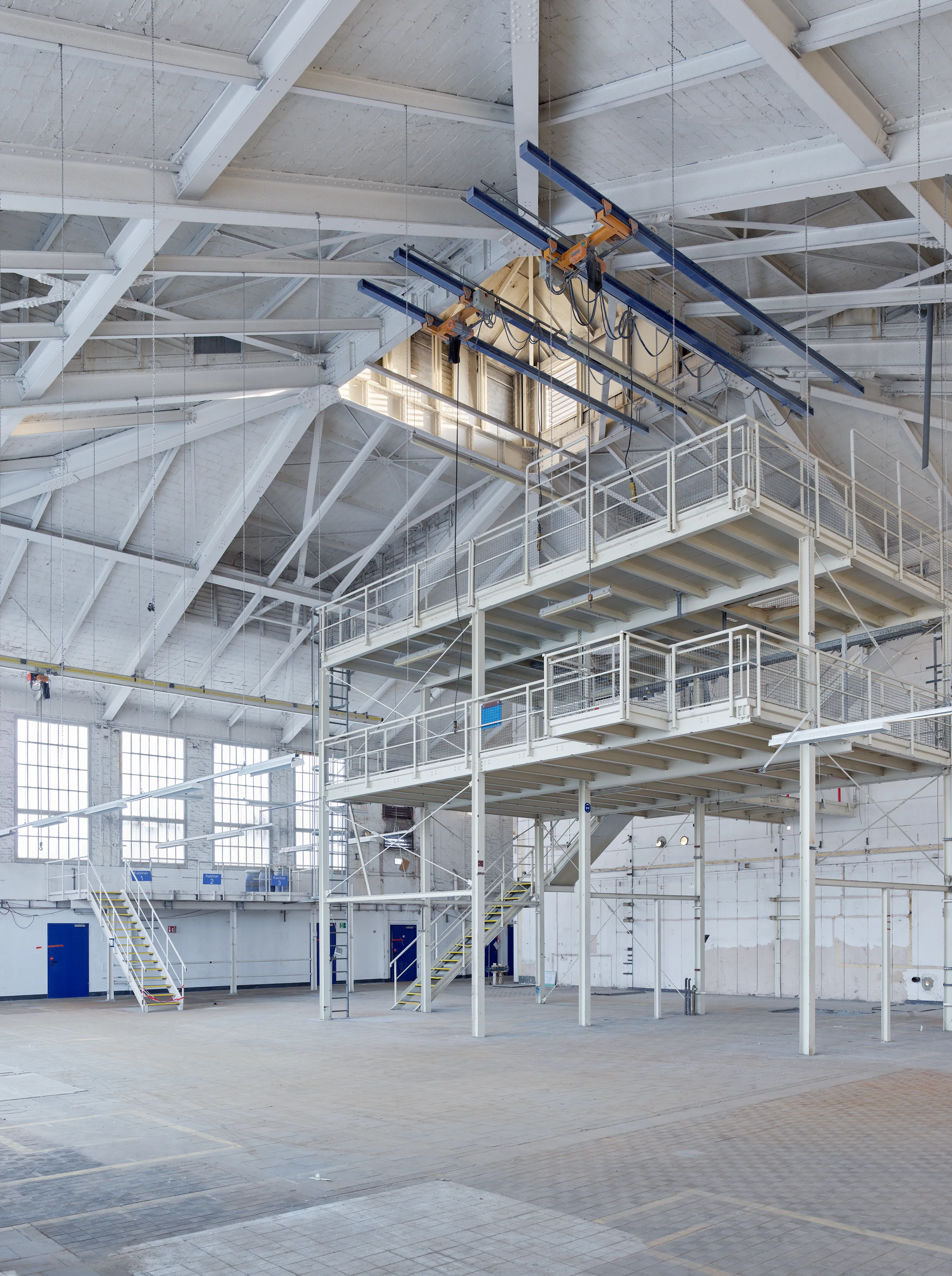
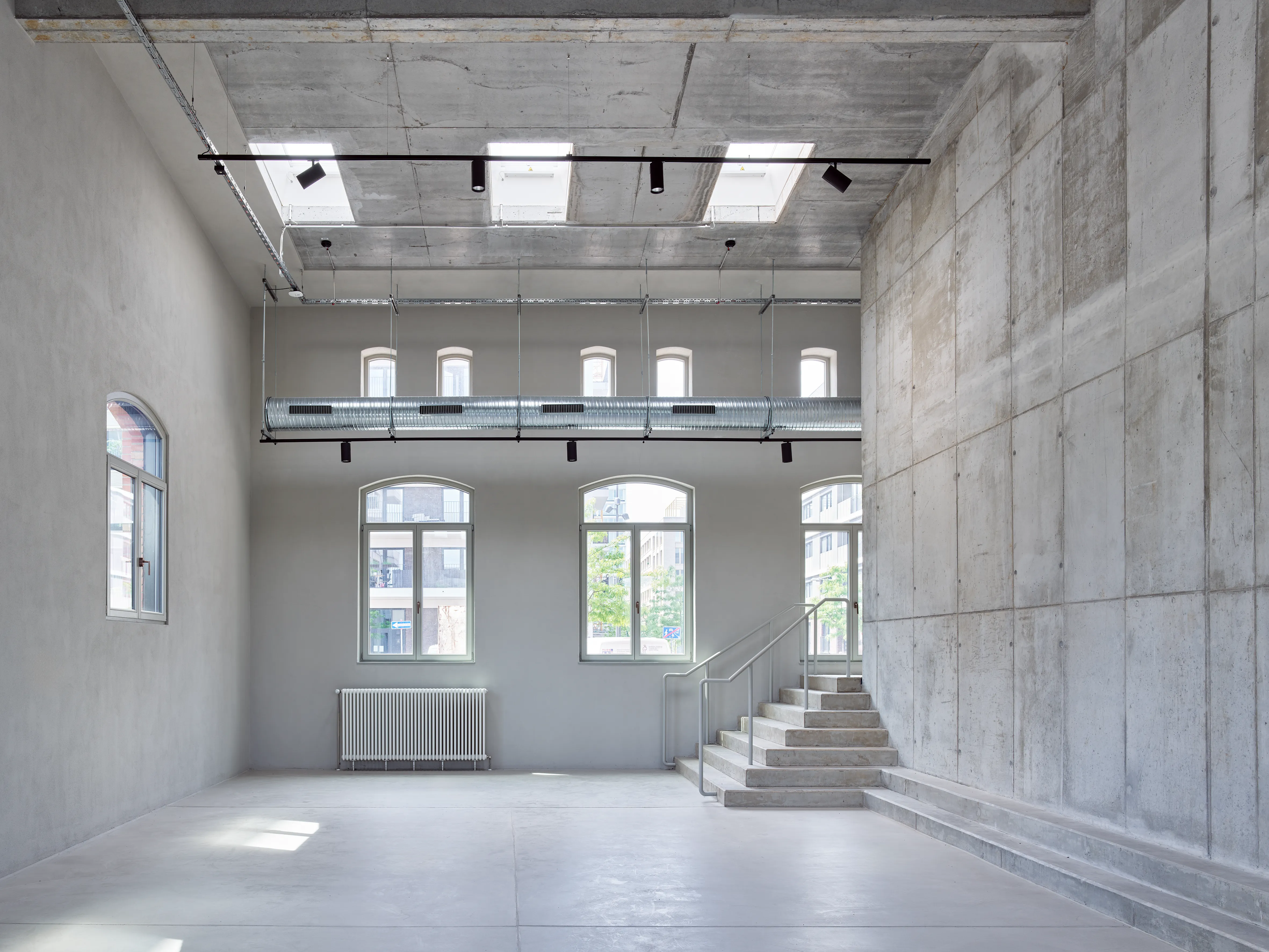
“Following the closure of the historic Osram glass factory in Berlin’s Spandau district, the masterplan is transforming the LUXWERK Areal into a new urban quarter. The site is part of Siemensstadt, an area that has been shaped by industry for over a century. The listed Osram glass factory, designed in the Neue Sachlichkeit style by Waldemar Pettri, was completed in 1927. The starting point of the project is the search for a contemporary industrial architecture that identifies and re-interprets the site-specific features. …” (davidchipperfield.com/…)
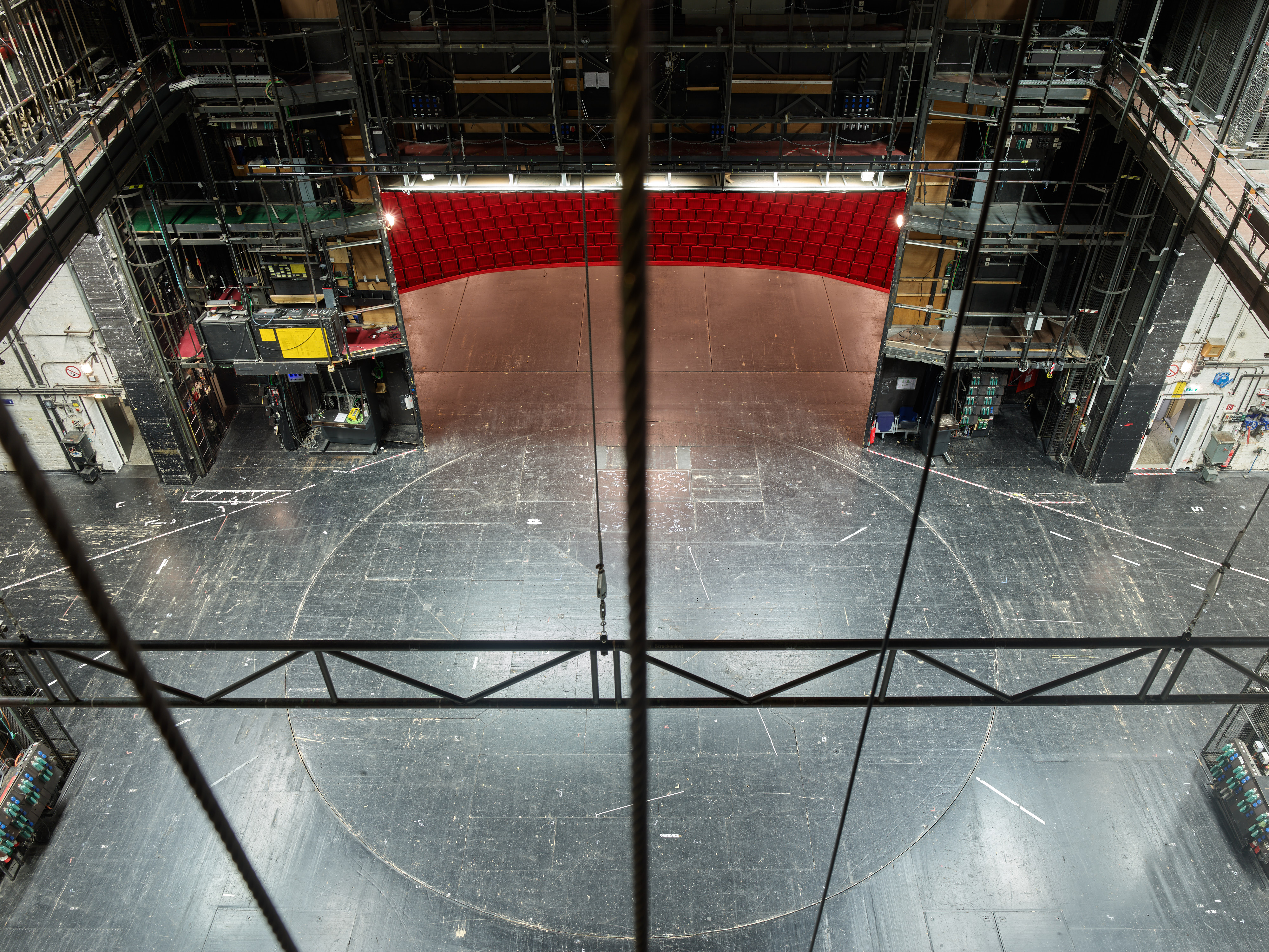
The Komische Oper is an important part of Berlin’s operatic and cultural landscape. It is located in the historic city centre of Berlin-Mitte, between Unter den Linden and Behrenstraße.
The existing complex, which has evolved over time and comprises several listed buildings from different periods between 1890 and 1980, is being carefully upgraded and refurbished. The various historical layers that reflect the rich history of the institution are being preserved and, in some cases, revealed once again.
This sensitive approach makes it possible to retain the unique character of the ensemble while meeting contemporary requirements for comfort and functionality. Modern elements are introduced with respect for the historic fabric, creating a harmonious dialogue between old and new.
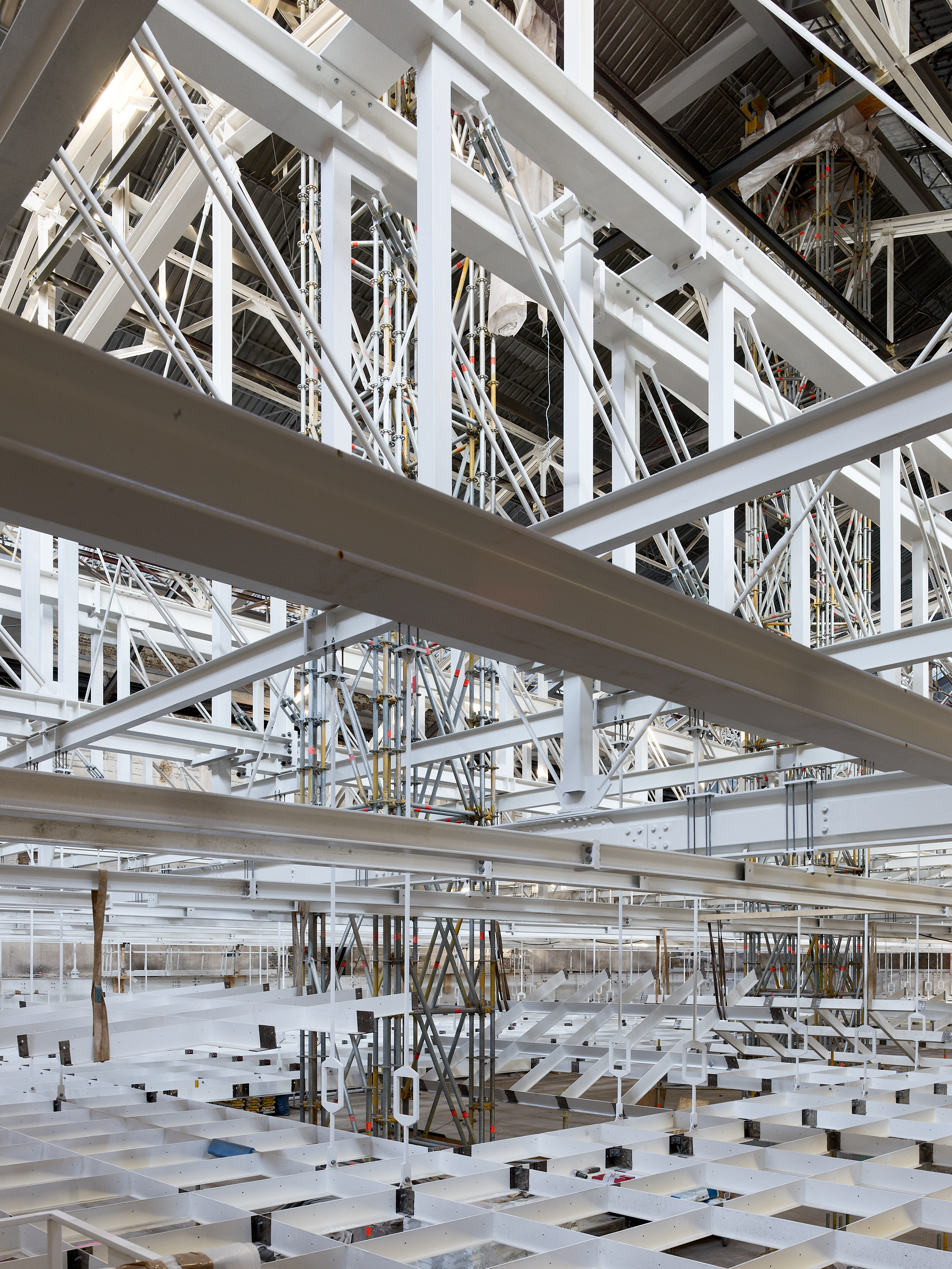
Since 2013, Alexander Schippel has been documenting the extensive renovation of Berlin’s Pergamonmuseum. His work goes beyond recording the construction process: it observes the transformation of a museum in which past and future remain simultaneously visible over many years.
New spatial structures, technical installations and future exhibition spaces emerge alongside monumental ancient architecture. Schippel is particularly interested in temporary states that exist only briefly: scaffolding in front of historic exhibits, tools and materials from conservation work beside ancient surfaces, or spaces suspended between dismantling, reconstruction and their future use.
Over time, the project has developed into both a photographic archive of transformation and an independent body of work exploring architecture, time and change.