personal project
2025—ongoing
Riyadh
Saudi Arabia
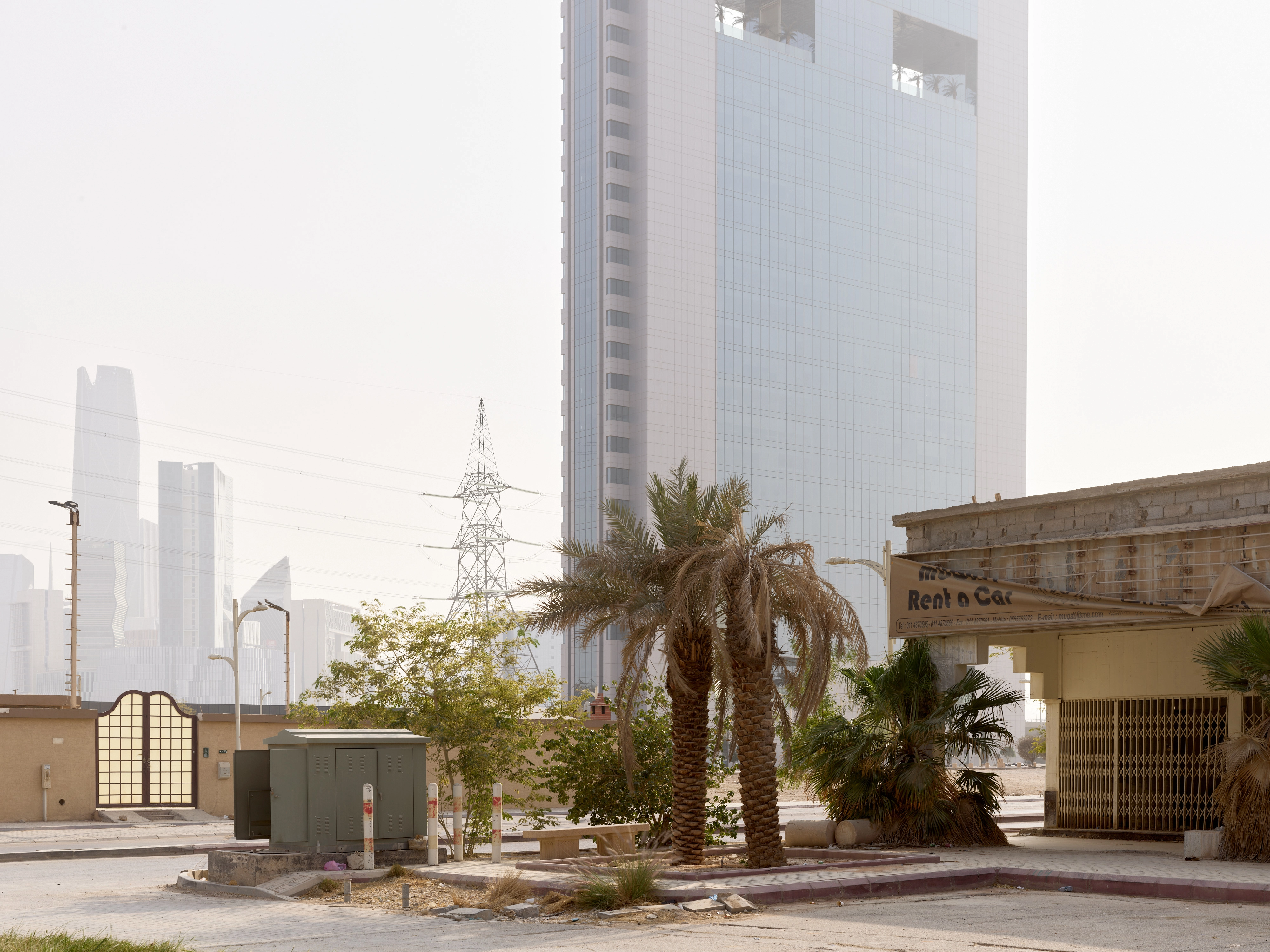
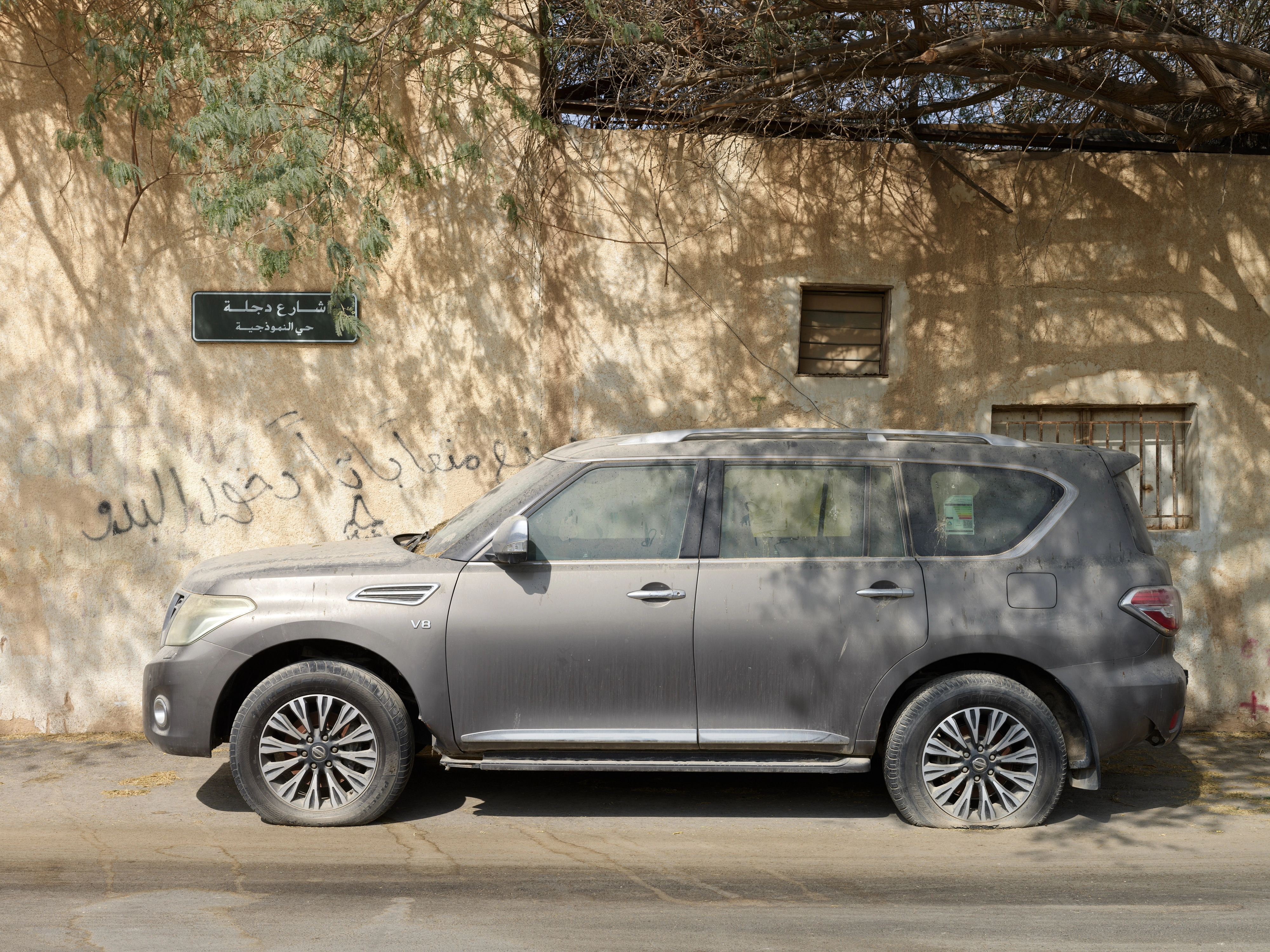
The long-term photographic project “Riyadh in Transition” examines the complex urban transformation of the Saudi Arabian capital taking place in the context of Vision 2030, the upcoming Expo 2030, and the planned FIFA World Cup 2034.
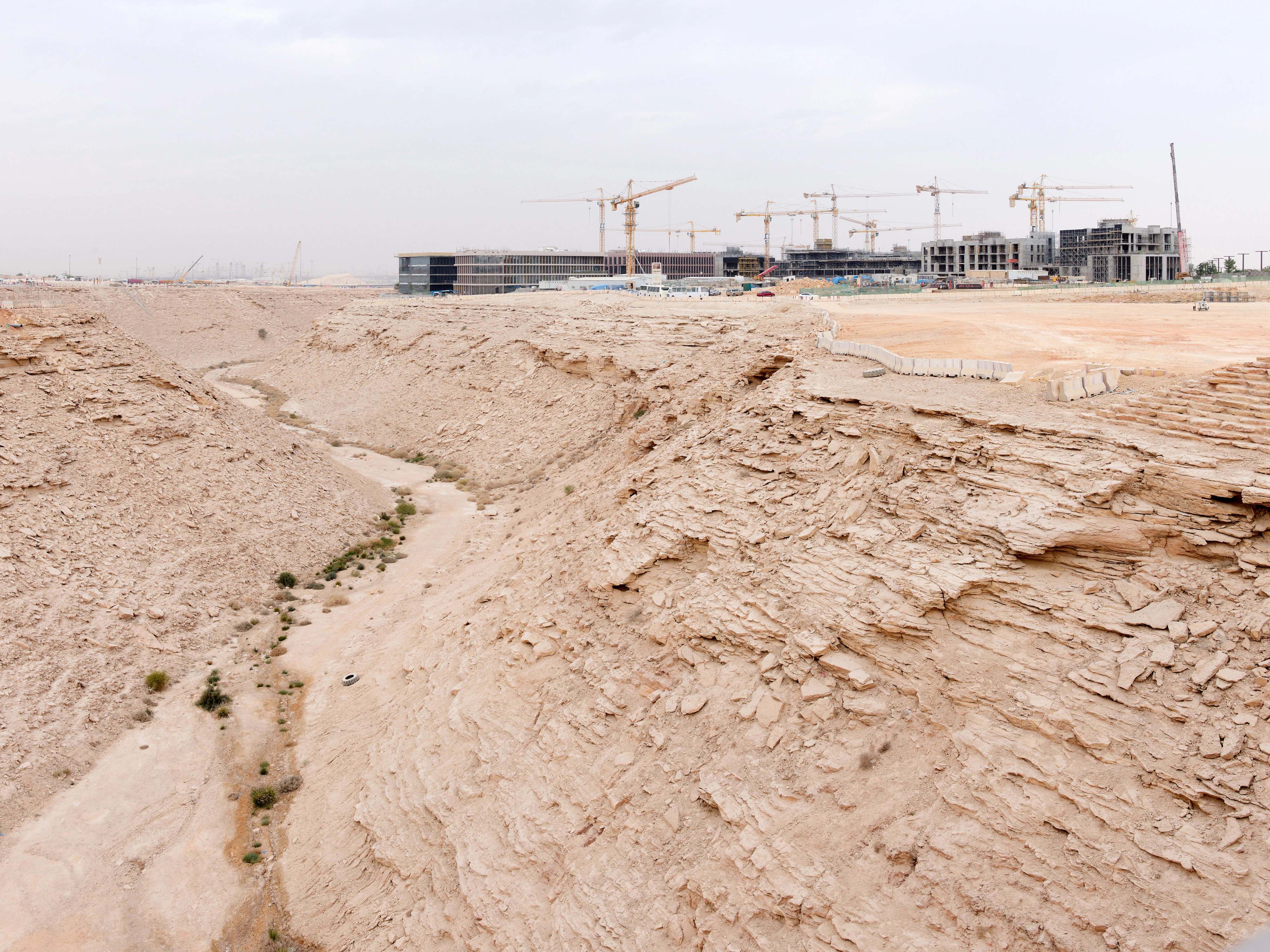
Riyadh is understood as an exemplary case of the interaction between human agency, social development, and the environment in the age of the Anthropocene: a human-shaped landscape in which urban development is not only a social phenomenon, but also a geophysical one, reflecting global patterns of energy, material, and resource consumption as well as processes of social production.
Urbanized space is conceived as an interface between natural conditions and human achievement. Cities are not only centers of consumption, but also sites of innovation and adaptation in response to ecological challenges.
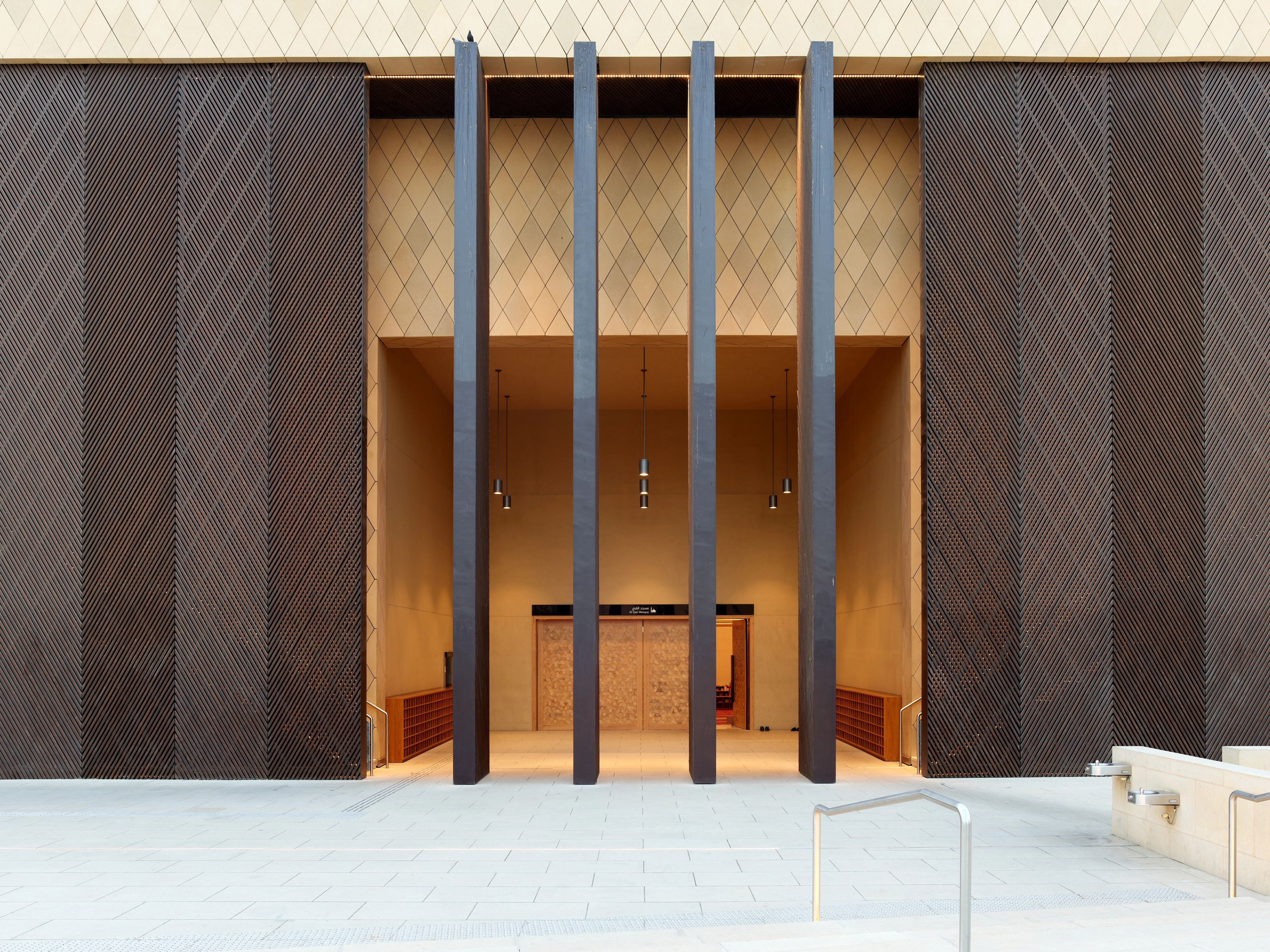
At the heart of the project is a narrative and positive understanding of urban transformation: where urban life once took place primarily in the private sphere, the city is increasingly opening up to shared public spaces. New museums, event venues, cultural institutions, restaurants, and parks enter into dialogue with traditional places of faith and community, such as the Grand Mosque in the King Abdullah Financial District (KAFD), which plays a central role as a cultural and spiritual point of reference.
The architecture and public spaces illustrate a process of social change in which collective experience, cultural participation, and urban life are increasingly moving to the forefront.
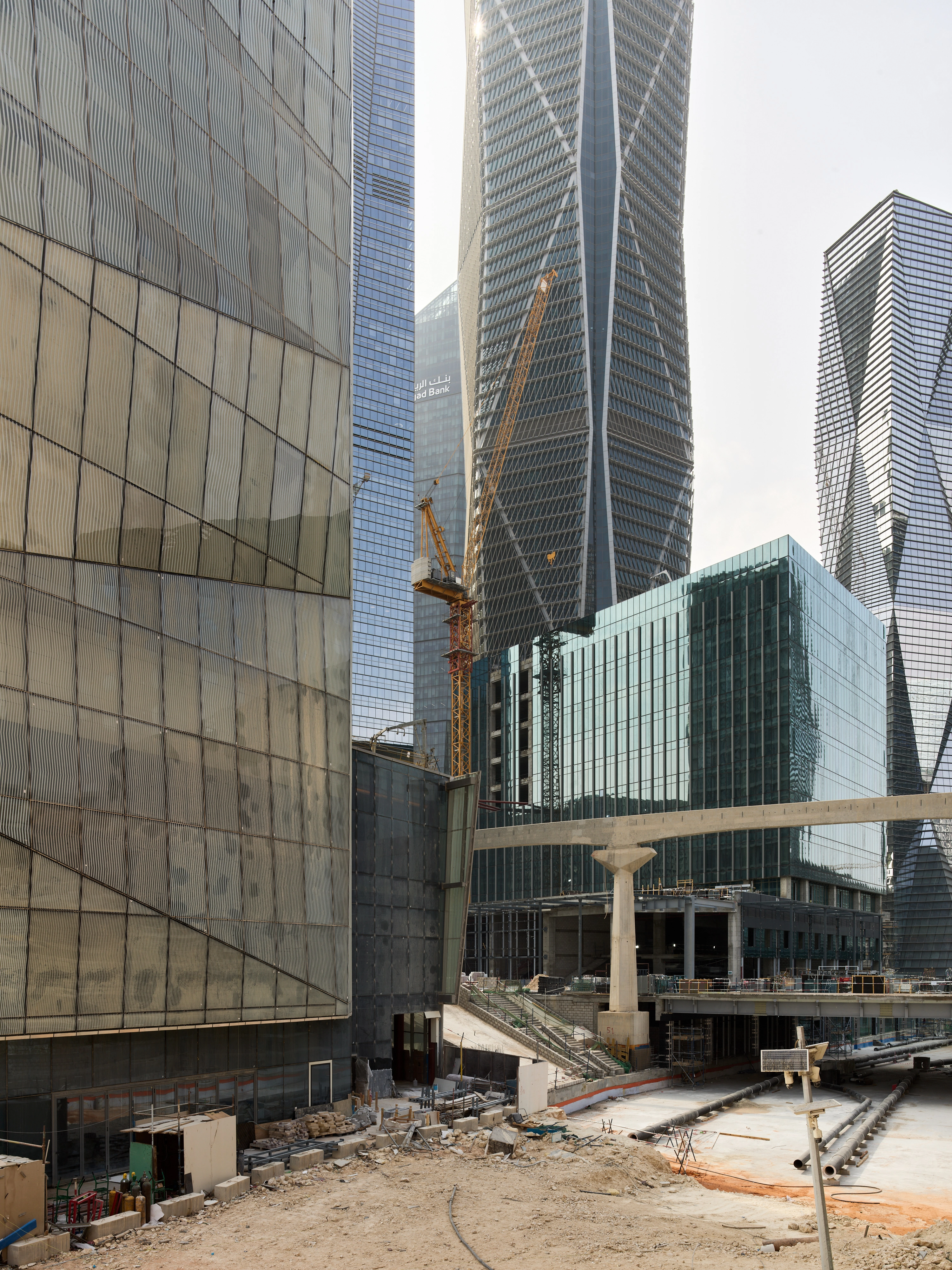
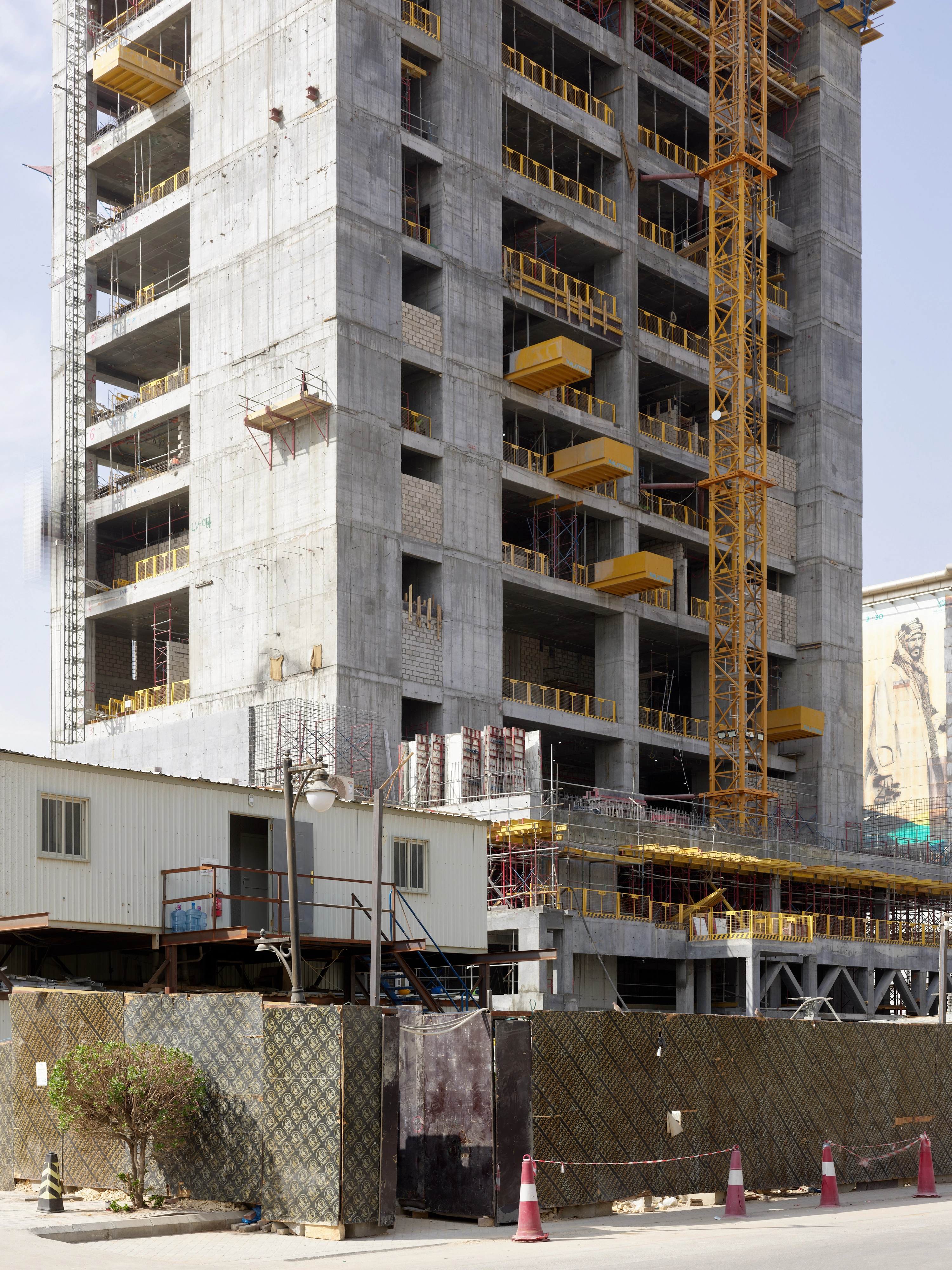
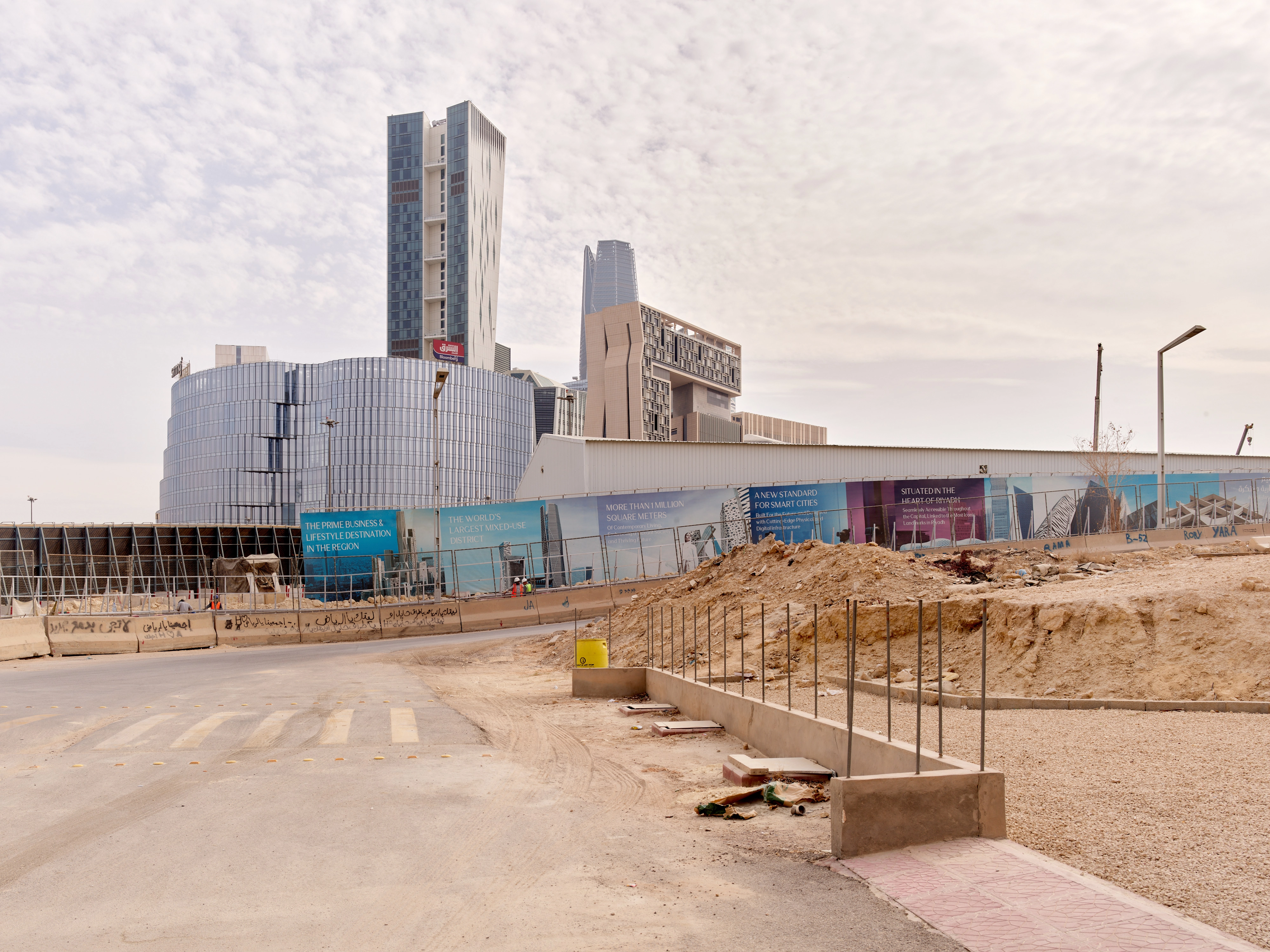
The project is conceived as a long-term documentation, following the construction process of selected sites from the early stages of development through to the completion of the “new city.”
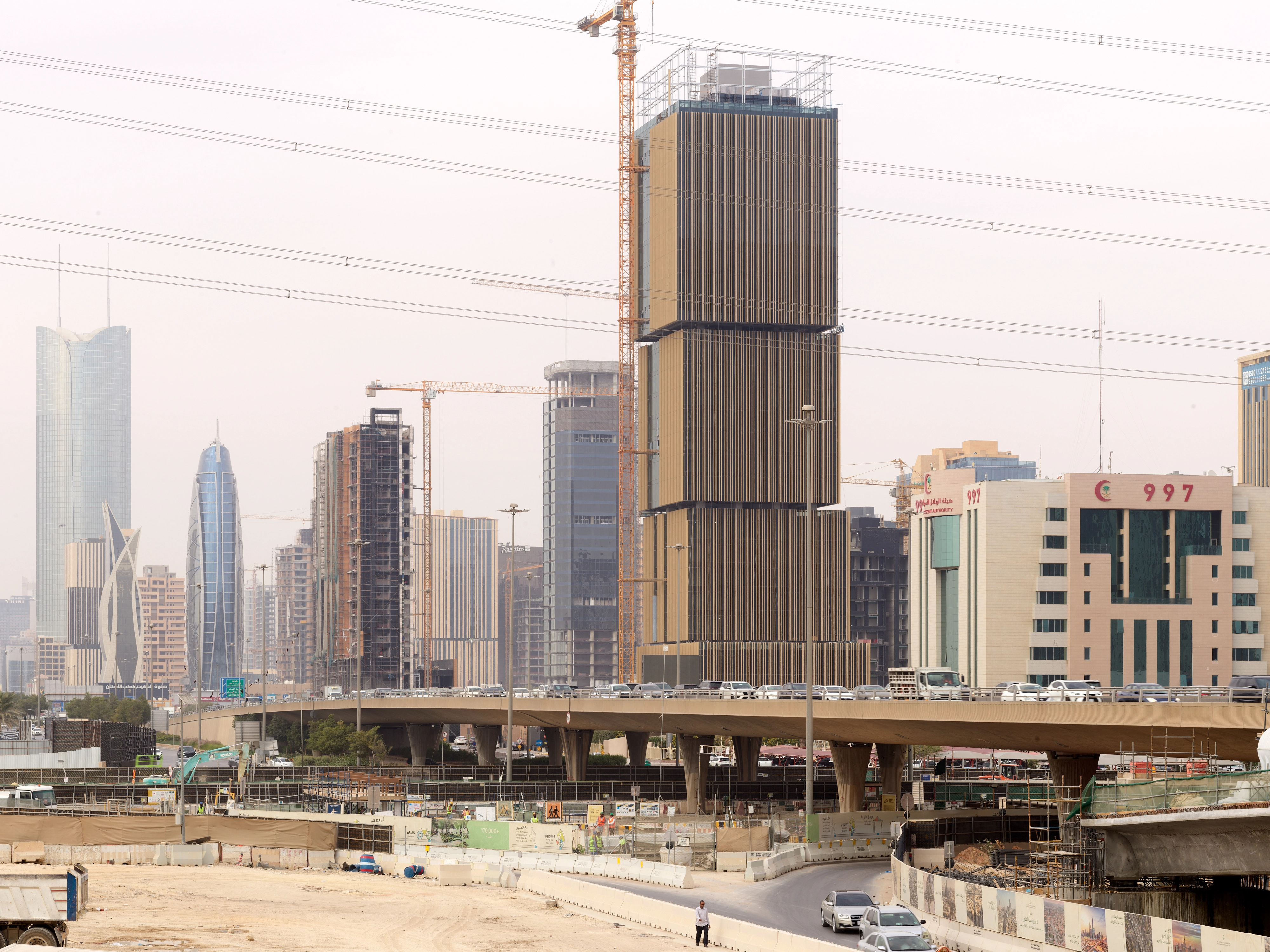
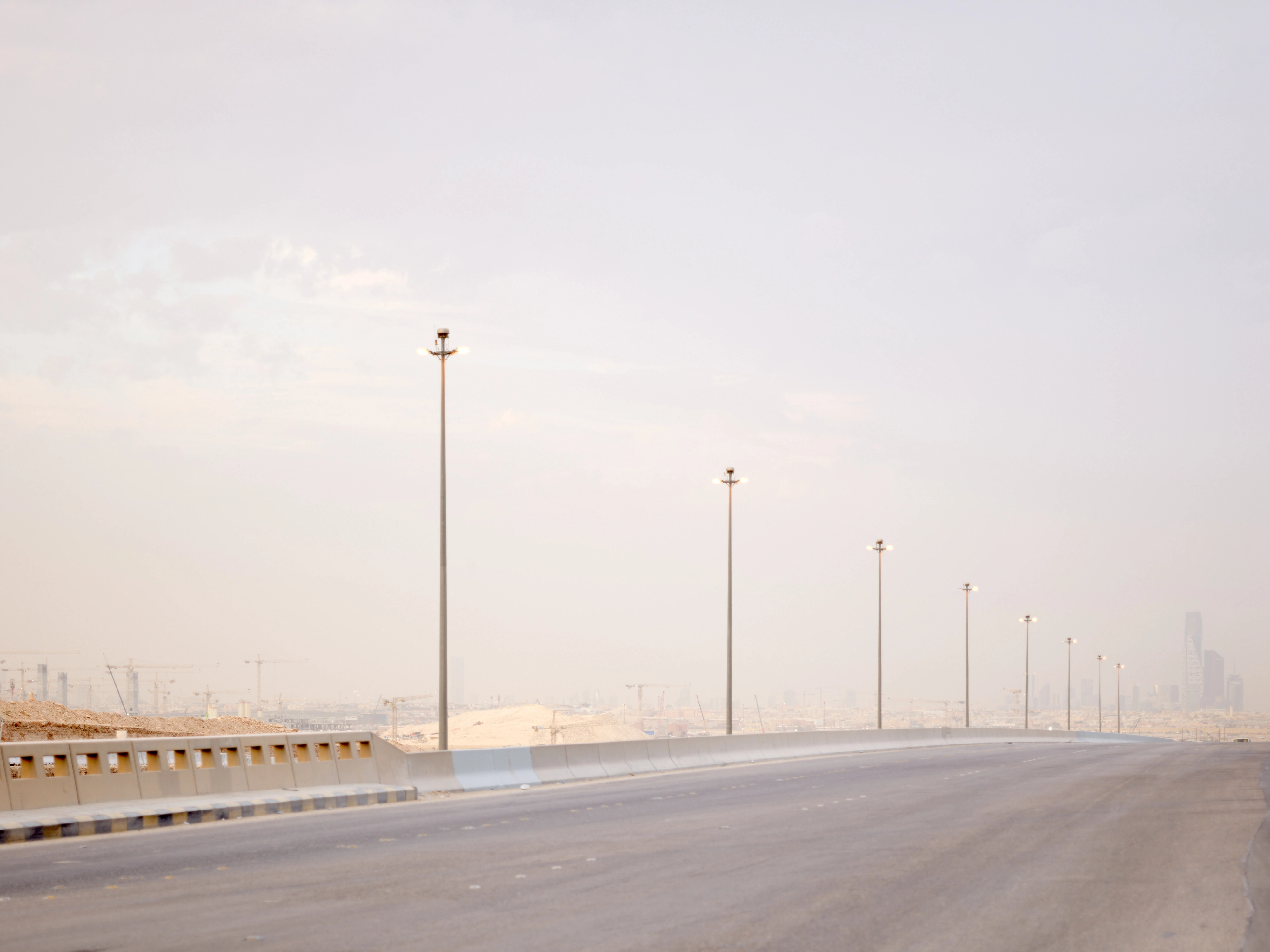
The focus is not only on iconic, finished works of architecture, but also on the transitional states in which urban structures first become legible: construction sites, unfinished structures, infrastructural axes, and temporary spaces that make the transformation — driven by people — physically tangible.
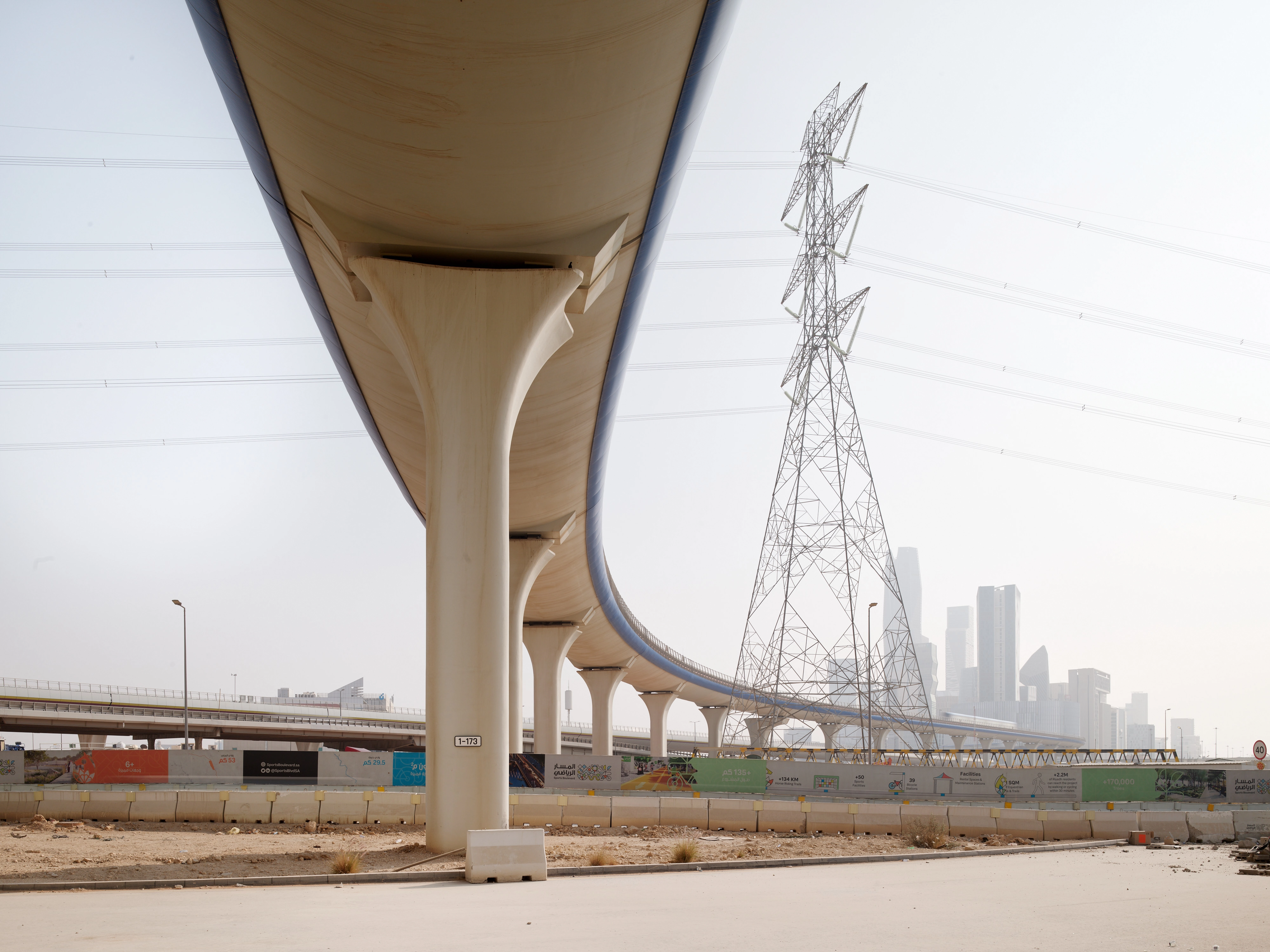
A thematic focus of the project is the transformation of public transport infrastructure, particularly the Riyadh Metro. The network comprises six lines, approximately 176 kilometers of track, and 85 stations, constituting a structural intervention in the city’s urban logic and shifting Riyadh from a predominantly car-oriented model toward a public, multimodal transport system.
At the same time, the introduction of designated areas such as “Family” and “Single” makes visible how this transformation remains embedded within traditional social structures. Modern mobility and social norms are brought into relation with one another, reflecting the city’s opening toward public space in a culturally sensitive way.